
What Are Tortoiseshell Frame Glasses? A Complete Style Guide



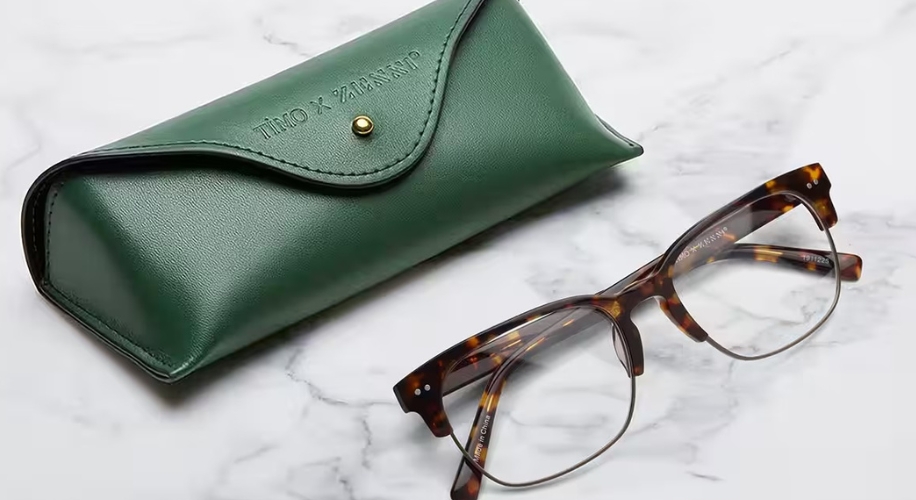
Tortoiseshell frames, also known as tortoiseshell glasses, have symbolized timeless sophistication for generations. The style gets its name and signature look from a warm, mottled pattern of browns, ambers, and blacks that mimics the natural markings of real tortoiseshell. With their captivating blend of colors and patterns, these frames seamlessly merge tradition with contemporary style. So, what are tortoiseshell frame glasses, and why have they stayed in style for nearly a century?
Origins and Evolution
The history of tortoiseshell frames traces back centuries. Originally crafted from hawksbill sea turtle shells, these frames were cherished for their exquisite hues, from warm browns to deep oranges and blacks. As hawksbill turtles became endangered, the Convention on International Trade in Endangered Species (CITES) banned the trade of genuine tortoiseshell in 1973, protecting the species while pushing eyewear makers to find a way to keep the look alive.
Modern Sustainability
Today, tortoiseshell frames are predominantly crafted from cellulose acetate, a versatile, eco-friendly material made from plant-based fibers. Acetate is lightweight, durable, and naturally hypoallergenic, which makes it a comfortable choice for daily wear. Layering techniques replicate the distinctive pattern of genuine tortoiseshell. By combining acetate sheets, each with its own unique color and pattern, we can create frames that match the natural material’s depth and beauty.
Tortoiseshell Colors and Styles to Know
Tortoiseshell isn’t a single color: it’s a family of warm, mottled patterns, and knowing the differences can help you choose the right pair.
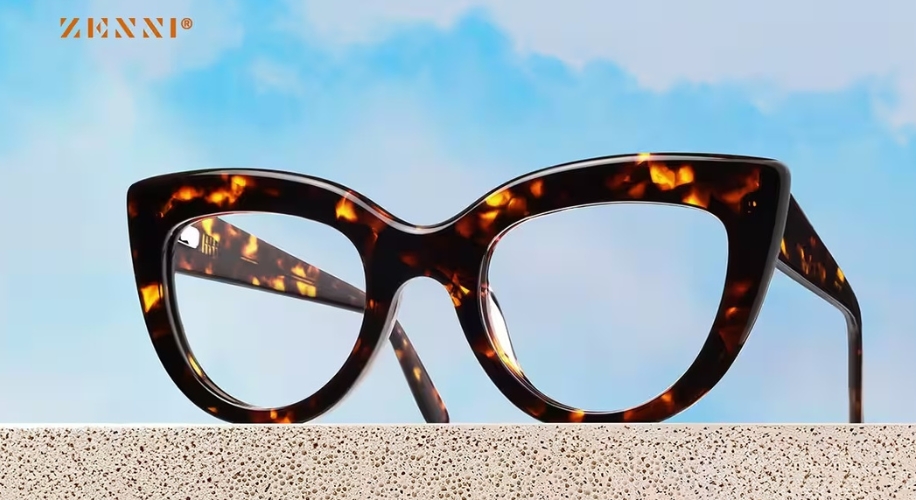
Classic tortoiseshell leans into deep browns and black patches for a bold, traditional look, while honey tortoiseshell lightens things up with golden amber and cream tones. Warmer variations like caramel, amber, and chocolate tortoiseshell trade some of the contrast for a softer, all-over glow, and each one flatters a slightly different skin tone.
The pattern appears in nearly every frame shape, from round and square to cat-eye, rectangular, and wayfarer silhouettes. If you gravitate toward a pared-back look, an ultra-thin tortoiseshell frame offers a minimalist take on the style, while a square frame with a keyhole bridge and a pop of blue along the temples adds a glossier, more polished edge. For a look that blends old and new, choose tortoiseshell with stainless steel temples: it keeps the pattern’s classic charm while giving the frame a more contemporary finish.
The Versatility of Tortoiseshell
From sleek rectangular silhouettes and rounded frames to bold cat-eye designs and classic wayfarers, tortoiseshell frames suit every face shape and preference. Generally, angular shapes like square or rectangular frames add definition to round or oval faces, while softer shapes like round or cat-eye frames balance more angular features. Whether you prefer a subtle hint of tortoiseshell or a statement-making frame, the options are endless, letting you express your unique style with confidence. Their versatile color palette complements a wide range of skin tones, genders, and personal styles, making them a go-to choice for fashion-conscious individuals of all ages.
Making a Stylish Statement
Tortoiseshell frames are more than just eyewear; they’re a fashion statement. Whether you’re dressing up for a special occasion or adding sophistication to your everyday ensemble, these frames effortlessly elevate your look. Their timeless appeal transcends fleeting trends, ensuring that you’ll always exude elegance and refinement.
Finding Your Perfect Pair
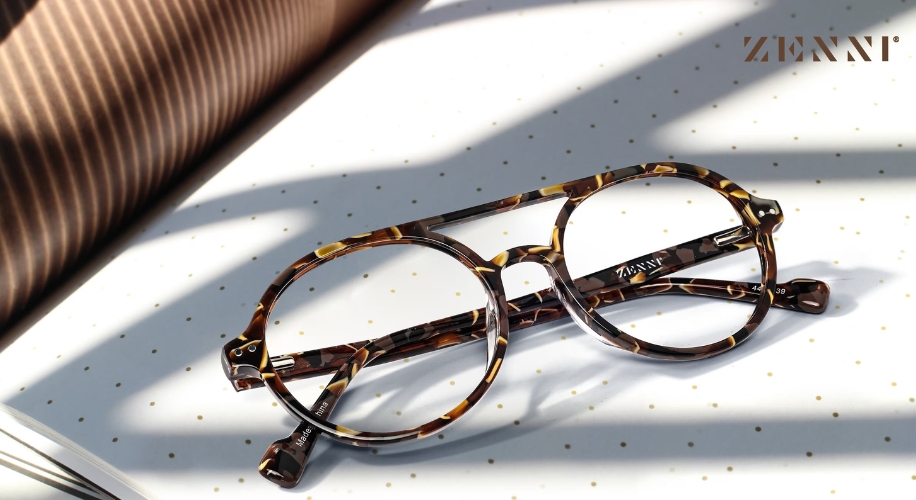
With our vast collection of tortoiseshell frames, finding your perfect pair has never been easier. Explore different shapes, sizes, and finishes to discover the frame that best complements your features and reflects your personality. Whether you choose a classic tortoiseshell design or a contemporary take, you’re investing in a piece that will stand the test of time.
A few things to look for as you shop: quality acetate has color and pattern that run through the material rather than sitting on the surface, so the depth should be visible from every angle. Once you find your pair, a little care goes a long way. Clean your frames with a soft, dry cloth, store them in a case when you’re not wearing them, and keep them away from direct heat or prolonged sun exposure, like a hot car dashboard, which can cause the acetate to discolor or become brittle over time.

FAQs
What are tortoiseshell frame glasses?
Tortoiseshell frame glasses feature a warm, mottled pattern of browns, ambers, and blacks that mimics real hawksbill turtle shells. Today’s tortoiseshell frames are made from cellulose acetate rather than actual shell, which has been protected since the 1970s.
Can anyone wear tortoiseshell glasses?
Yes. Tortoiseshell is one of the most versatile frame colors because its multi-tone pattern suits nearly every skin tone, and the style works equally well for men, women, and non-binary wearers at any age or occasion.
How can I tell if tortoiseshell frames are made from quality acetate?
Look at the frame from an angle: quality acetate has color and pattern that run through the material, not just printed on the surface, so the depth stays visible no matter how you turn it.
How do I keep tortoiseshell frames from fading?
Store your frames in a case when you’re not wearing them, clean them with a soft cloth, and avoid leaving them somewhere hot, like a car dashboard, since prolonged heat and direct sun can cause the acetate to discolor or become brittle.

Dr. Steven Liem
Dr. Steven Liem, O.D., F.A.A.O. is an optometrist based in Pasadena, California. After obtaining his doctorate from UC Berkeley’s School of Optometry, he completed his residency in Pediatrics, Vision Therapy & Rehabilitation and became a Fellow of the American Academy of Optometry. When he isn’t busy streaming or making Youtube videos about video games, Dr. Liem aims to broaden accessibility to vision health through his involvement in optometric industry and tech.