
How to Keep Kids from Losing and Breaking Their Glasses: Tips for Every Age



Getting your child to wear glasses consistently is only half the battle. Once they’re on, the next challenge is keeping them on, intact, and easy to find. Whether your toddler tosses their glasses aside mid-tantrum or your tween forgets a hard case exists, a few practical habits and the right gear can make a real difference. Here’s a complete guide to keeping kids’ glasses secure, protected, and where they belong, from toddlerhood through the tween years, whether your biggest worry is a missing pair or a snapped frame.

Choose the Right Frame Size
The first step to keeping glasses on your child’s face is choosing the right frame size. Glasses that are too large or too small can be uncomfortable and slip easily. When shopping for glasses, make sure to:
- Consider Adjustable Features: Look for frames with adjustable nose pads and temples. These features let you fine-tune the fit at the nose bridge and along the temple length for a snug, comfortable fit.
- Select Lightweight Materials: Opt for frames made from lightweight materials like flexible acetate or rubber. These materials are durable and less likely to cause discomfort or irritation during extended wear.
- Choose a Secure Design: Wrap-around frames or additional grips can offer extra security. These designs help keep the glasses in place during active play and everyday activities.
Zenni’s range of kids’ frames offers various sizes and adjustable options to accommodate growing children, and an optometrist can help fine-tune the nose bridge and temple length at a fitting appointment if a frame ever feels off. A properly fitted pair is also less likely to be set down and forgotten, since kids often take off glasses that pinch or slide in the first place.
Opt for Durable, Flexible Frame Materials
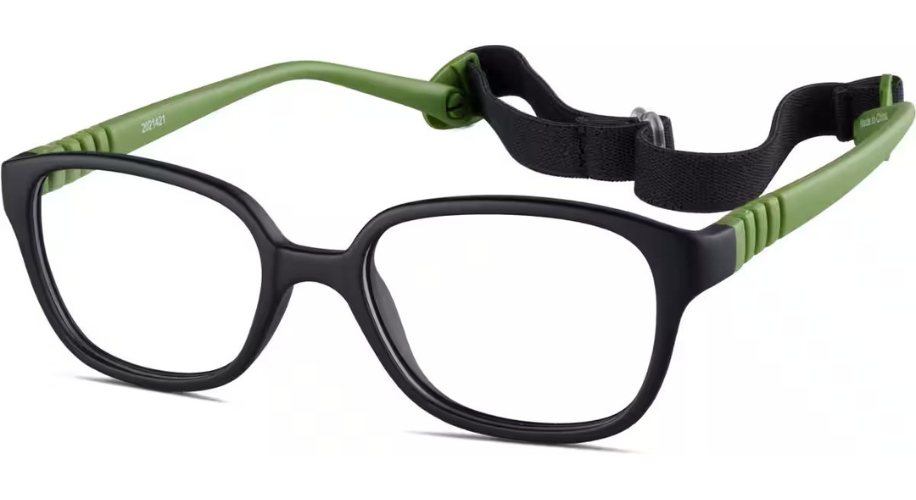
Frames made from rubber or flexible materials can be more forgiving and comfortable for kids, and they also stand up better to drops, twists, and everyday roughhousing. These materials are lightweight, durable, and less likely to cause discomfort. Consider:
- Rubber Frames: These frames are soft and moldable, providing a secure fit without irritating your child’s skin.
- Flexible Acetate: This material is sturdy and adaptable, letting frames bend and flex as needed instead of snapping. For kids who are especially hard on their glasses, flexible spring hinges add another layer of durability, letting the temples twist and flex under pressure rather than breaking outright, which matters just as much for a rough-and-tumble seven-year-old as it does for a toddler.
Zenni offers rubber and flexible frames for active kids of every age, with sturdier options for older kids that still provide the flexibility they need.
Choose Impact-Resistant Lenses and Protective Coatings
Frame material is only part of the equation. The lenses matter just as much for keeping glasses intact through an active school day or a recess spill. Polycarbonate and Trivex lenses are both durable, impact-resistant, lightweight options that can work well for active children.
Polycarbonate vs. Trivex
- Polycarbonate: Impact-resistant, lightweight, and generally more budget-friendly.
- Trivex: Impact-resistant and lightweight, with a slightly lighter feel than polycarbonate.
Lens coating options:
- Scratch-resistant coating: Standard on all Zenni lenses.
- 100% UV protection: Included with all Zenni lenses to help protect your child’s eyes from UV exposure.
- Anti-reflective coating: An optional add-on that reduces glare and can improve visual clarity for homework and screen use.
Which is right for your child? Your child’s activity level and prescription can help your optometrist determine which lens material is the better fit.
All Zenni lenses also come standard with scratch-resistant coating and 100% UV protection. You can add an anti-reflective coating to reduce glare and improve visual clarity, which can be especially helpful for kids doing homework or spending time on screens.
Use Glasses Straps, Bands, and Retainers
Straps, bands, and retainers are an excellent way to keep your child’s glasses securely in place, and they work for kids at any age, not just toddlers. They come in various styles, including:
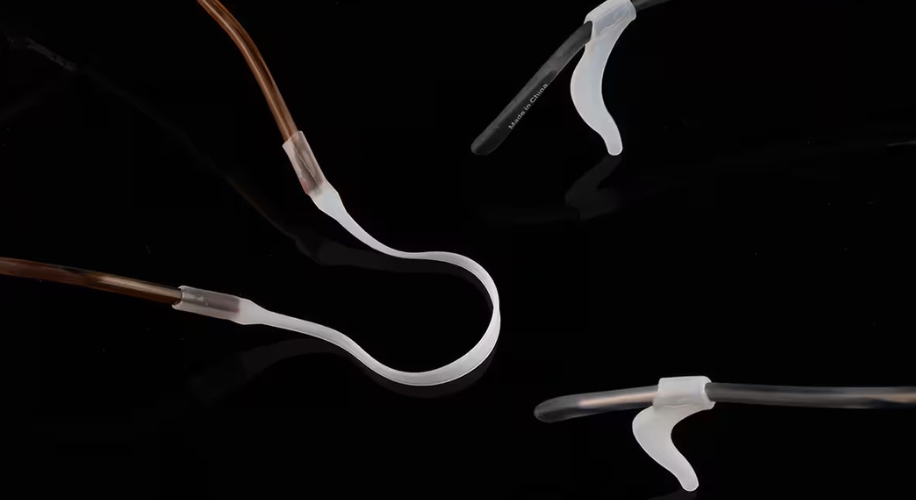
- Silicone or Cloth Retainers: A stretchy silicone retainer wraps around the temple tips for a snug fit. In contrast, a knitted cord retainer offers an adjustable, bead-fastened alternative for kids who prefer a different feel.
- Sports Bands: Designed for active children, these bands are often more robust and provide extra security during playtime, gym class, or sports practice.
Retainers attach to the arms of the glasses to keep them from sliding down or falling off. Many parents find that kids’ glasses straps and similar retention accessories significantly reduce the need for frequent adjustments and cut way down on glasses ending up on the classroom floor or under a car seat.
Shop Kids’ Silicone Eyewear Retainer
Give Glasses a Designated Home
One of the simplest ways to stop glasses from going missing is to give them one consistent place to live when they aren’t on your child’s face.
- Give their glasses a home: A protective case guards lenses and frames from getting crushed in a backpack, and clipping it to a backpack or bag keeps them with your child instead of leaving them behind on a nightstand or car seat.
- Create a designated spot at home: Set up a second spot at home, like a small dish by the door or nightstand, so glasses always have somewhere to land the moment they come off.
The fewer surfaces glasses sit on, the less likely they are to get sat on, stepped on, or forgotten, and the more automatic it becomes for your child to reach for the same spot every time without reminders.
Build Simple Routines and Habits
Encouraging your child to wear their glasses consistently helps them get used to the sensation and keeps the glasses in place. Tips for promoting regular wear and safe handling include:
- Create a Routine: Build glasses into your child’s daily routine, such as during meals, reading time, or alongside brushing teeth at bedtime, so putting them on and taking them off becomes automatic.
- Teach the Two-Hand Rule: Show your child to use both hands when putting on or removing their glasses, one on each temple, instead of pulling them off one-handed by a single arm, which is a common way frames get bent or snapped.
- Keep a Simple Mantra: A phrase like “on your face or in your case” gives kids an easy rule to remember any time they’re tempted to set their glasses down on a couch, a desk, or the floor.
- Positive Reinforcement: Praise your child and offer rewards for wearing their glasses and handling them carefully. This positive reinforcement can make the experience more enjoyable.
Also, clean the glasses regularly with a proper lens spray and microfiber cloth, not a shirt hem or tissue, which can scratch the lens coating over time.
It also helps to loop in the other adults who see your child during the day. A quick note to teachers, daycare staff, or coaches about where your child’s glasses belong during recess, naptime, or gym class means one more set of eyes is watching for a pair left behind on a table or a shelf.
Match Responsibility to Your Child’s Age
How much responsibility a child can realistically handle for their own glasses changes a lot between toddlerhood and the tween years, and it helps to set expectations accordingly:
- Little Kids (roughly ages 0-6): At this stage, parents and caregivers should expect to manage most of the responsibility: choosing secure, flexible frames, attaching a retainer, and reminding your child where their glasses belong throughout the day.
- Big Kids (roughly ages 7-9): Kids in this range can usually start taking their glasses off and putting them in a case themselves, especially with a consistent routine in place, though they may still need prompts to remember.
- Tweens (roughly ages 10-12): Tweens can typically take on most day-to-day responsibility for their own glasses, including cleaning, storage, and remembering to bring a case to school, with only occasional reminders.
Letting your child pick their own frames, within options that fit their prescription and face shape, also builds a sense of ownership that translates into more careful handling. A kid who loves how their glasses look and had a say in choosing them often remembers to put them away and thinks twice before tossing them aside.
Visit the Optometrist Regularly
Regular visits to the optometrist are crucial to keeping your toddler’s glasses properly fitted. As your child grows, their face shape and size will change, and their glasses will need to be adjusted accordingly. Schedule check-ups to:
- Check the Fit: Make sure the glasses still fit properly at the nose bridge and temples, and adjust as your child’s face continues to grow and change shape.
- Update the Prescription: Regular eye exams will keep your child’s prescription up to date, ensuring the best possible vision correction and reducing the chances they’ll squint, tug at, or push their glasses around to see better.
A well-fitted pair, checked periodically by a professional, is also simply less likely to slide off or get damaged in the first place.
Plan for the Unexpected
Even with the best habits in place, glasses still get lost or broken sometimes, especially with younger or very active kids. Zenni’s eyewear protection plan covers accidental damage, defects, breaks, and daily wear and tear for a year from delivery, and includes one free replacement pair if something goes wrong, so a single mishap doesn’t mean starting the entire fitting process over from scratch. Keeping a backup pair on hand, even an older prescription, can also help your child get through the day at school if their primary pair goes missing or needs repair.
Learn about Zenni’s eyewear protection plan.
Keeping Glasses Safe at Every Age
Keeping your child’s glasses in place and intact doesn’t have to be a struggle. By choosing the right frame size and durable materials, adding impact-resistant lenses, using straps and a designated case, building simple habits, and matching responsibility to your child’s age, you can cut down on lost and broken pairs at every stage, from the toddler years through the first time your tween heads off to middle school on their own. Zenni’s extensive collection of durable, adjustable kids’ frames makes this process easier, so your child can enjoy clear vision with comfort and confidence.

FAQs
How to keep kids from losing their glasses?
Give the glasses one consistent home (a hard case clipped to a backpack works well), attach a retainer strap so they can’t slip off during play, and use a simple mantra like “on your face or in your case” so your child has an easy rule to follow. Letting your child pick their own frames also builds ownership, making them more likely to keep track of them.
How to keep kids from breaking their glasses?
Choose flexible frame materials with spring hinges, add polycarbonate or Trivex lenses for impact resistance, and teach your child the two-hand rule for putting glasses on and taking them off. Also consider an eyewear protection plan as a backup in case a break happens anyway.
What is the best frame material for kids’ glasses?
Flexible acetate and rubber frames tend to hold up best for kids, since they can bend and flex under pressure instead of snapping. Spring hinges add extra durability for active kids of any age.
Do kids need special glasses straps or retainers?
They’re not required, but kids’ glasses straps and cord retainers make a real difference for younger kids and active kids of any age by keeping glasses attached even when they’re not worn properly.
What lenses are most impact-resistant for children?
Polycarbonate and Trivex lenses are both considered the most impact-resistant options for kids’ glasses, and Zenni includes a scratch-resistant coating on both by default.
At what age can kids start choosing their own frames?
Most kids can start choosing a frame style as soon as they can express a preference, often by the time they’re in the “Big Kids” size range. Letting them choose within options that fit their prescription tends to encourage more careful handling.
Does Zenni offer a warranty if my child’s glasses break?
Yes. Zenni’s eyewear protection plan covers accidental damage, defects, breaks, and everyday wear and tear for a year from delivery, and includes one free replacement pair if something goes wrong.

Dr. Alyssa Buchanan
Dr. Alyssa Buchanan is an optometrist based in Lubbock, Texas. She received her doctorate from Western University of Health Sciences in Pomona, California, and has practiced in various settings including Fort Cavazos where she provided eye care for deploying soldiers. Dr. Buchanan has since received her Master’s degree in Healthcare Administration and continues to strive to provide top-notch eyecare and make a meaningful impact in the eyecare industry.