
Caring for Your Child’s Eyes: A Complete Guide to Kids’ Eye Care



As a parent, you want to do everything you can to ensure your child’s health and well-being. While you may be focused on their physical health, it’s important not to overlook their eye health. Children’s eyes are still developing and are more susceptible to damage, so it’s crucial to schedule regular eye exams and find the perfect kids’ glasses. Here are some essential tips for your child’s eye care.
Schedule Regular Eye Exams
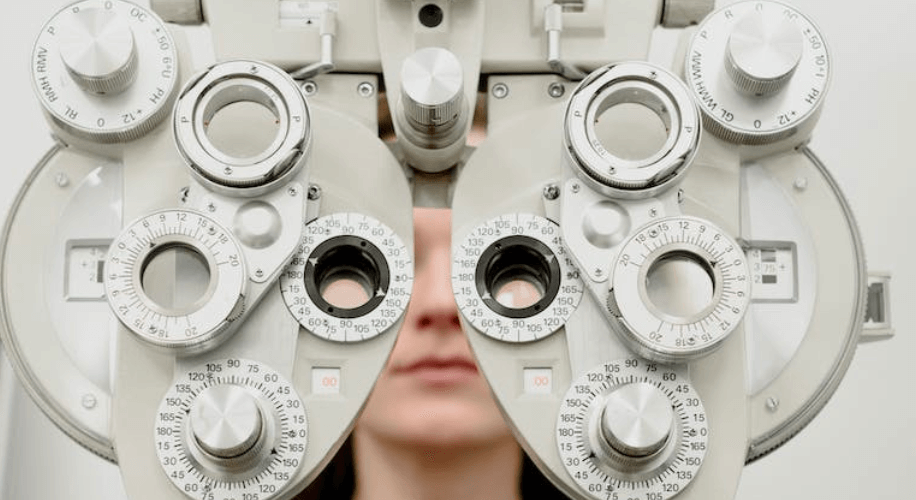
The American Optometric Association recommends that children have their first eye exam at 6 months of age, then again at 3 years old, and before starting school. After that, they should have an eye exam every 1-2 years, or as recommended by their eye doctor. These exams can detect any vision problems or eye diseases early on, allowing for prompt treatment and prevention of further damage.
Encourage Eye Protection
Whether your child is playing sports or just spending time outdoors, it’s important to protect their eyes from potential injuries. Make sure they wear appropriate eye protection, such as goggles or helmets with face shields, when participating in sports or activities that could cause eye injuries. Additionally, sunglasses with 100% UVA/UVB protection, ideally in a wraparound style for extra coverage, should be worn when spending time in the sun to prevent damage from harmful UV rays.
Limit Screen Time
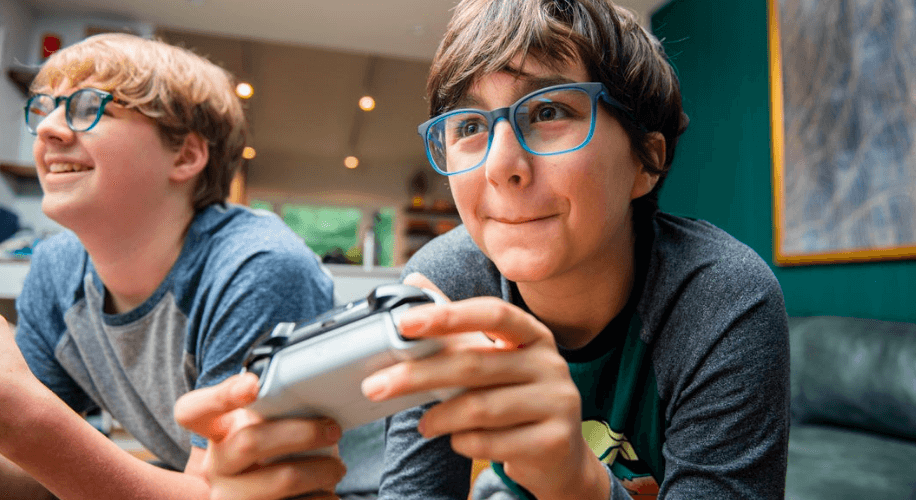
However, it’s important to limit your child’s screen time, whether it’s from TV, computers, tablets, or smartphones. Too much screen time can strain their eyes and lead to headaches, dry eyes, and blurred vision. Encourage breaks from screens and make sure they are sitting at a proper distance from the screen to reduce eye strain. The 20-20-20 rule is an easy way to build this habit: every 20 minutes, look away from the screen for 20 seconds and focus on something 20 feet away.
Proper Lighting
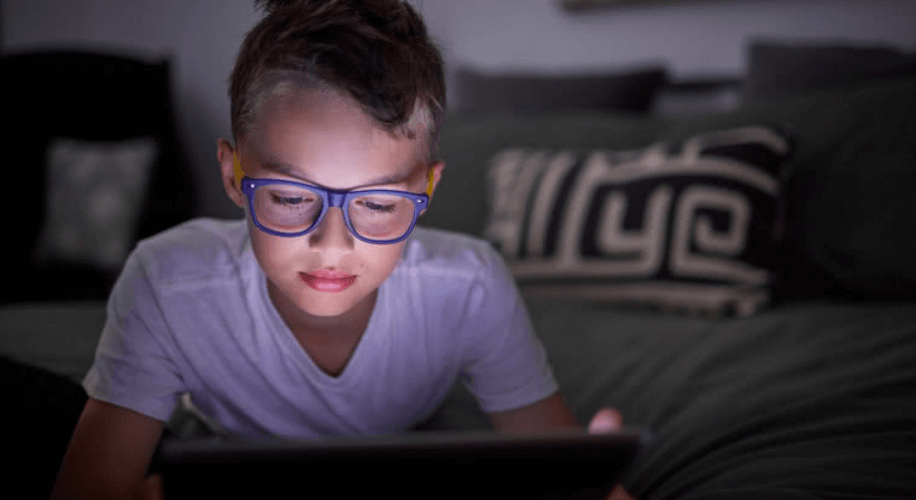
Proper lighting is crucial for your child’s eye health, especially when reading or doing other close-up activities. Make sure their study area is well-lit with natural or artificial light. Avoid harsh lighting that can cause glare on screens or paper. Additionally, make sure they are not reading in dimly lit areas, as this can cause eye strain and fatigue.
Mental Health and Eye Health Connection
Mental health research has shown a significant link between vision impairment and mental health challenges in children. Studies indicate that conditions like myopia and strabismus can lead to increased rates of depression and anxiety. As a parent, it’s essential to recognize that your child’s emotional well-being is closely tied to their vision health. Regular eye exams not only detect visual impairments but also prevent potential negative impacts on your child’s self-esteem and social interactions. By ensuring prompt treatment for any vision issues, you can help safeguard not just their eyesight but also their mental health, promoting a happier and more confident childhood.
Healthy Diet
A balanced and nutritious diet is not only important for your child’s overall health, but it also plays a role in their eye health.
Encourage your child to eat a variety of these eye-friendly foods:
- Leafy greens: Spinach and kale are rich in lutein and vitamin A, which support the retina.
- Fatty fish: Salmon and other fatty fish provide omega-3 fatty acids that support long-term eye development.
- Citrus fruits: Oranges and other citrus fruits offer vitamin C, an antioxidant that supports eye tissue.
- Eggs and nuts: Both are good sources of zinc, which helps deliver vitamin A from the liver to the retina.
Look for Warning Signs
As a parent, it’s important to be aware of any warning signs that may indicate a problem with your child’s eyes. If your child frequently rubs their eyes, squints, or complains of headaches or blurred vision, it may be a sign that they need glasses.
Good hygiene habits also protect your child’s eyes day to day. Teach kids to avoid rubbing their eyes, wash their hands frequently, and avoid sharing eye makeup, towels, or other personal items that can spread conjunctivitis, also known as pink eye. If you notice any warning signs, schedule an eye exam with their pediatrician or an eye doctor.
By following these essential tips, you can help maintain your child’s eye health and prevent any potential problems. Remember to schedule regular eye exams and encourage healthy habits to ensure your child’s eyes stay healthy and strong, and browse kids’ glasses whenever they’re due for a new pair.

FAQs
What are the most common pediatric eye conditions?
Common conditions include refractive errors like myopia, amblyopia (lazy eye), strabismus (eye misalignment), and conjunctivitis (pink eye). Congenital cataracts are less common. Read our full guide to amblyopia for a closer look at causes, signs, and treatment.
What happens during a pediatric eye exam?
Young children who can’t yet read an eye chart are often checked with retinoscopy, where the doctor shines a light into the eye to estimate the prescription objectively, plus alignment testing to check how the eyes work together.
What treatment options are available for children’s vision problems?
Depending on the condition, treatment may include prescription glasses, eye patching to strengthen a weaker eye, or vision therapy exercises, all covered in our amblyopia guide. In some structural cases, like a cataract, surgery may be recommended alongside glasses.
How can I tell if my toddler has a vision problem?
By age two, most toddlers can recognize faces and objects, so watch for poor eye tracking, excessive eye rubbing, holding objects close, or little interest in visual activities like books or pictures.
Why does my child need to avoid sharing eye makeup or towels?
Sharing these items can spread conjunctivitis and other eye infections between kids. Frequent handwashing and not sharing personal items go a long way toward preventing pink eye.

Dr. Steven Liem
Dr. Steven Liem, O.D., F.A.A.O. is an optometrist based in Pasadena, California. After obtaining his doctorate from UC Berkeley’s School of Optometry, he completed his residency in Pediatrics, Vision Therapy & Rehabilitation and became a Fellow of the American Academy of Optometry. When he isn’t busy streaming or making Youtube videos about video games, Dr. Liem aims to broaden accessibility to vision health through his involvement in optometric industry and tech.




 United States