
Bringing Clarity to Guatemala: Leah Wu on Service & the Power of Vision



Bringing Clarity to Guatemala: Leah Wu on Service & the Power of Vision
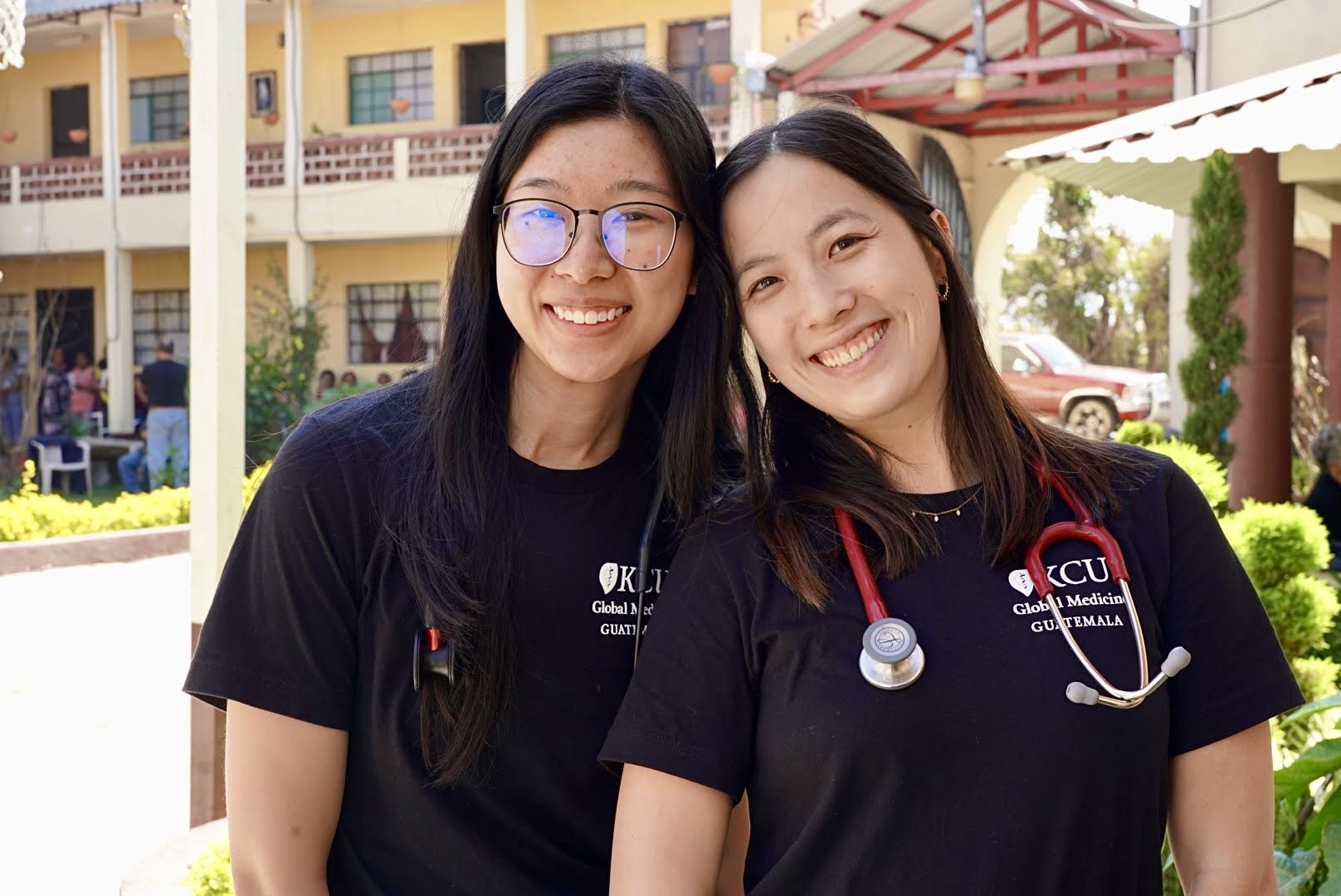
Zenni Optical is proud to have partnered with Leah Wu and Kansas City University’s Guatemala Medical Mission, donating sun and reading glasses to patients with limited access to vision care. It’s a small act that can make a big impact, bringing immediate clarity and improved quality of life to the communities served during the trip. We sat down with Leah to learn more about what inspired her path to medicine, what it’s like serving rural communities in Guatemala, and why something as simple as a pair of glasses can be truly life-changing.
Can you tell us a little about yourself and what inspired you to pursue medicine?
My name is Leah Wu and I am a fourth year medical student at Kansas City University (KCU) in Kansas City. I grew up in Austin, Texas. A big part of my inspiration to pursue medicine is my mom, who is also a healthcare worker. I saw the difference she made in her patients’ lives and it inspired me to do the same.
What led you to join this medical mission to Guatemala?
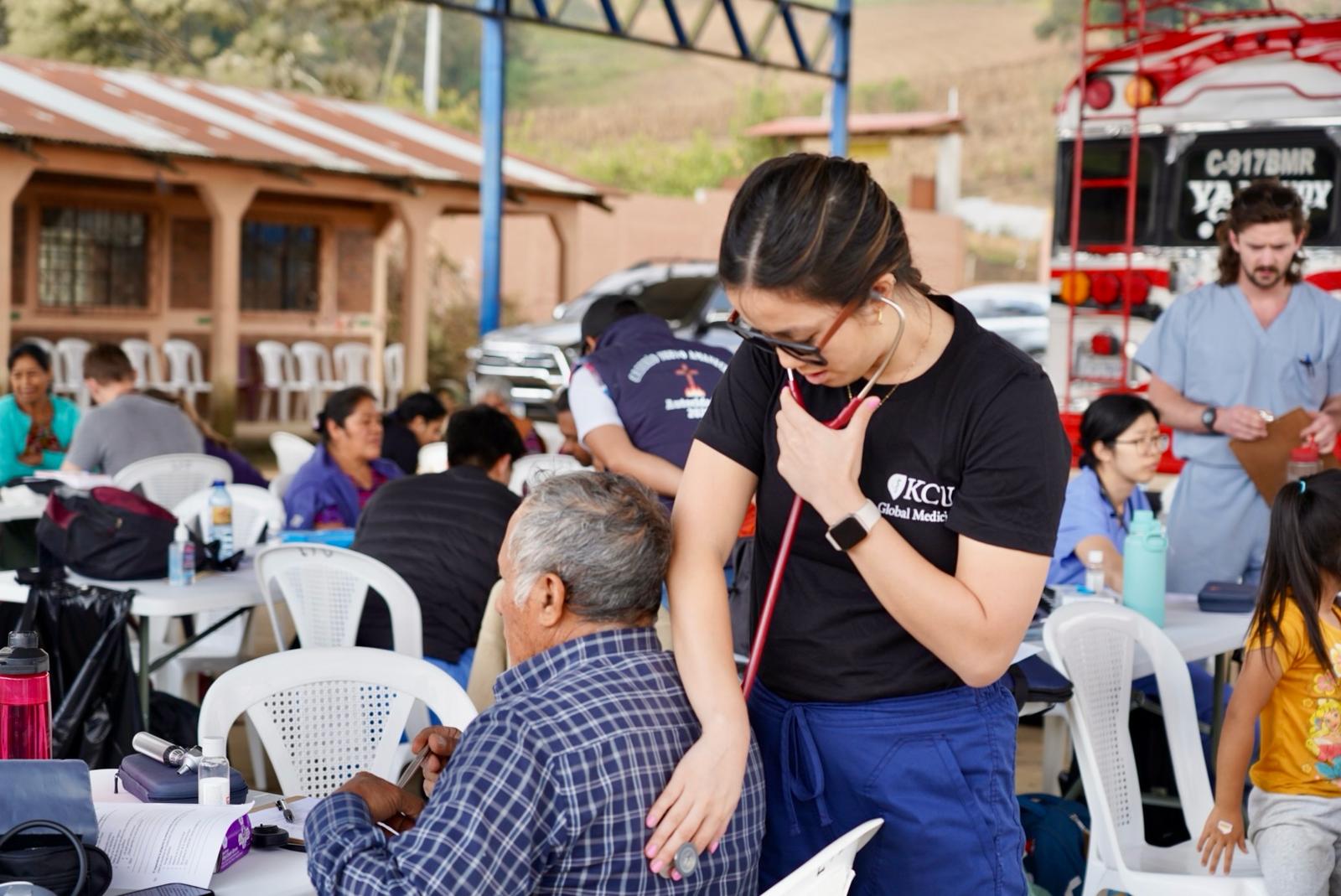
I have been interested in global medicine for a long time because my parents are both immigrants. My mom actually had a career in healthcare before she immigrated as well, so early on I was exposed to the differences and similarities of health systems around the world. Involvement in global medicine is well developed at KCU, with faculty and students going on four trips each year. The Guatemala trip is the most developed of the four, as KCU has been bringing a team there for about 30 years at this point. We have a strong relationship with local doctors and community liaisons to ensure that patients have follow-up and support in their communities outside of our visit. I went on the Guatemala outreach trip last year as a third year medical student, and this year I have the privilege of returning as a fourth year student leader, meaning I will get to be more involved in the logistics and coordination with our local Guatemalan guides.
What does a typical day look like during the mission?
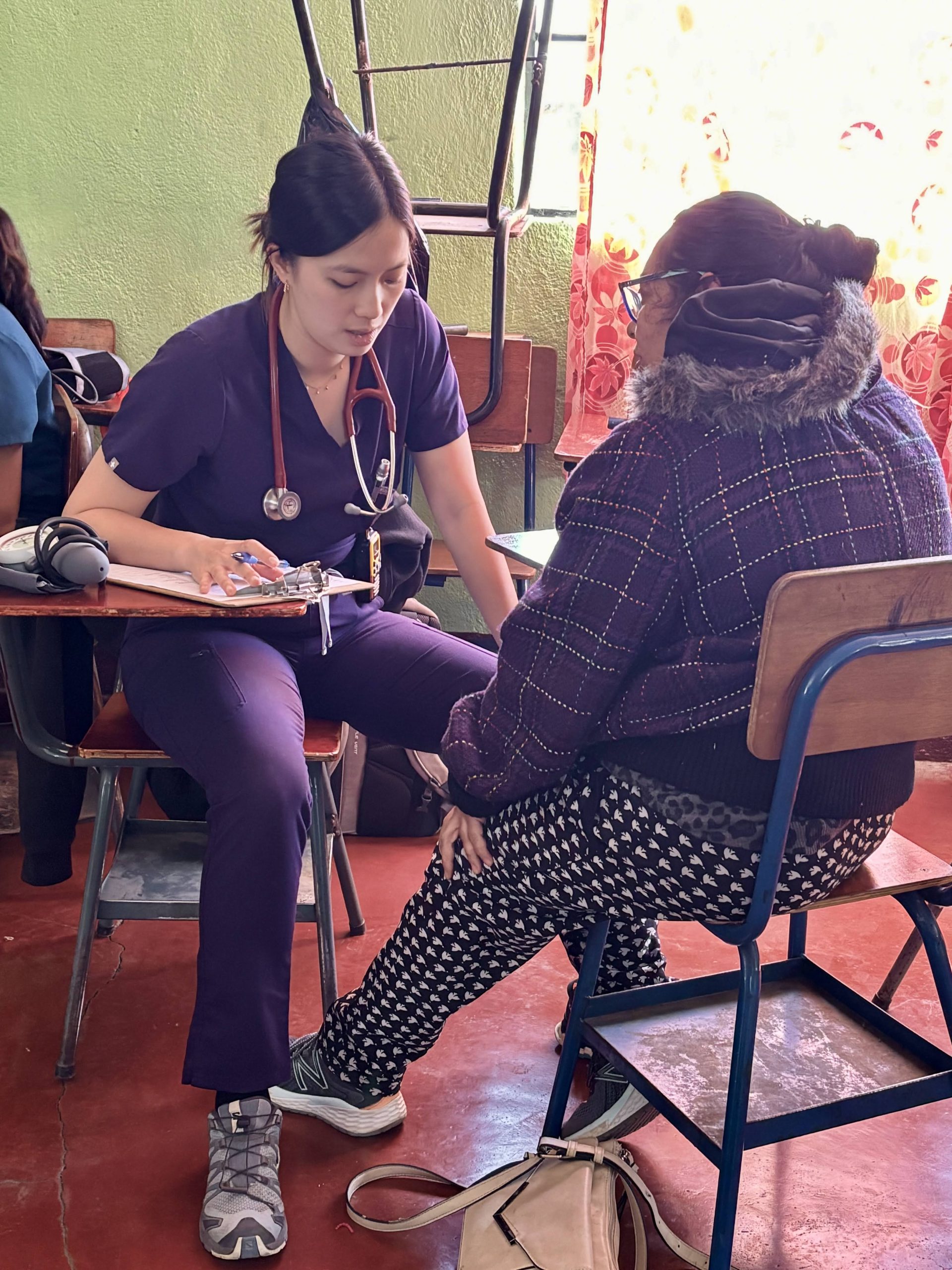
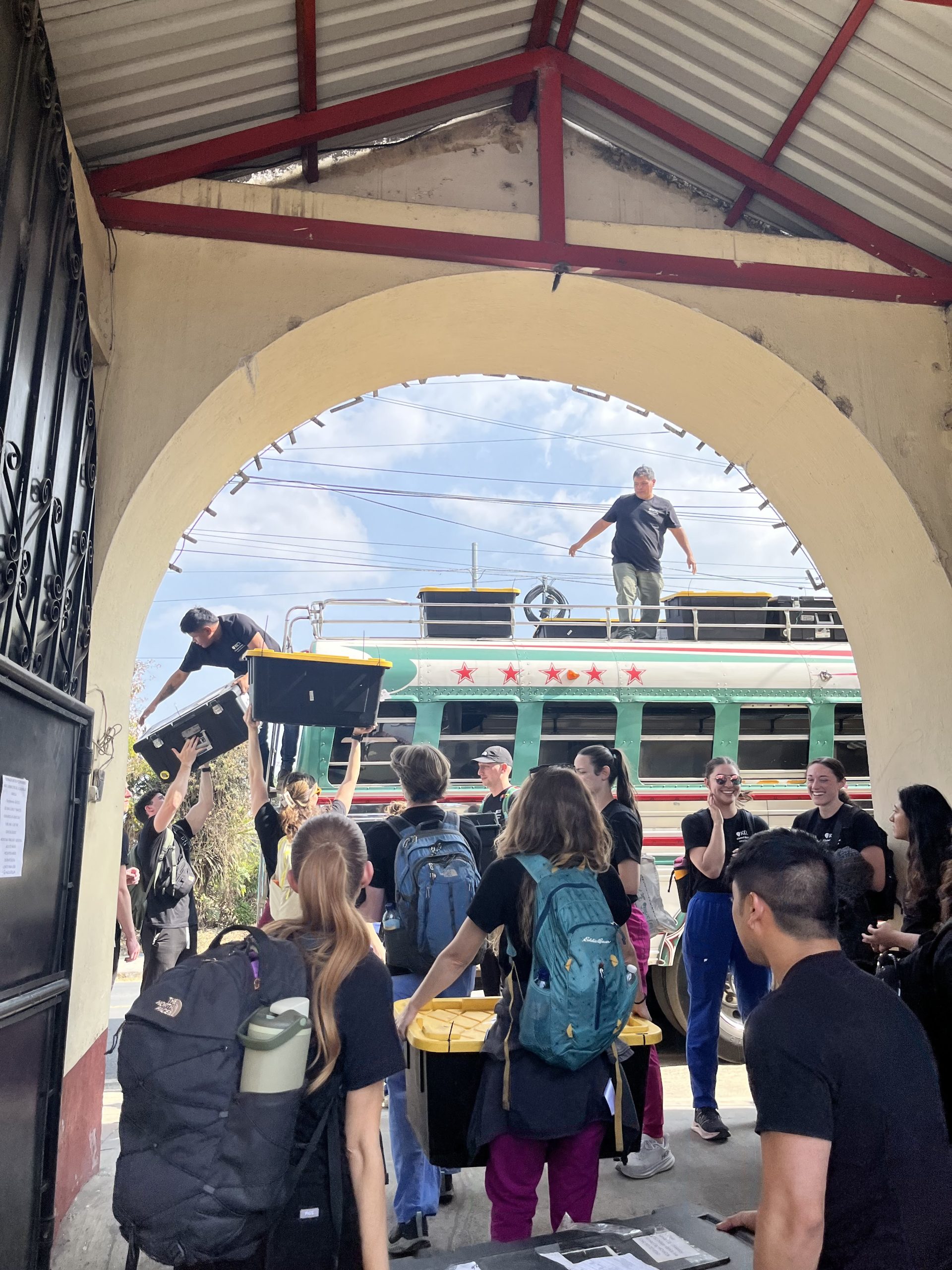
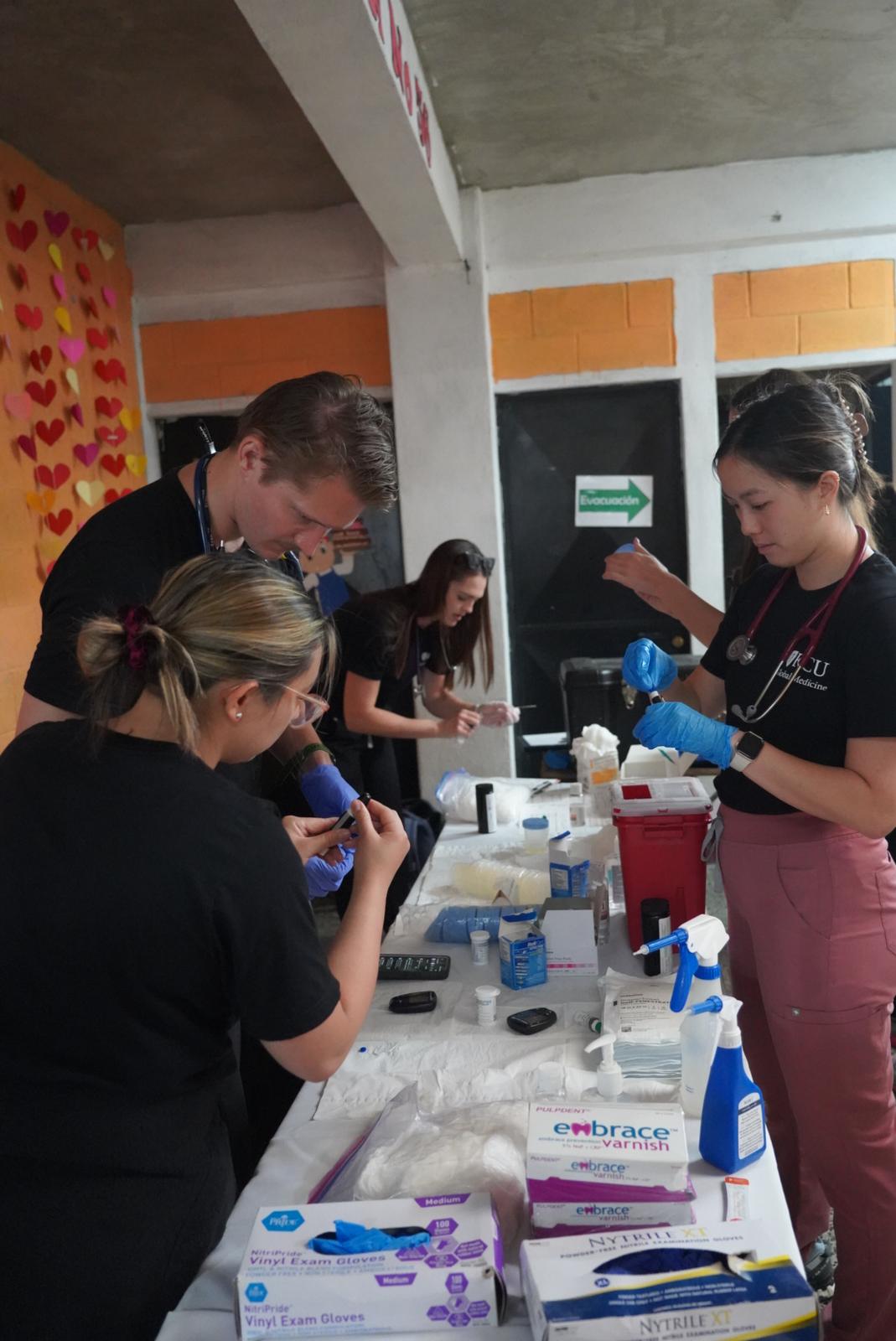
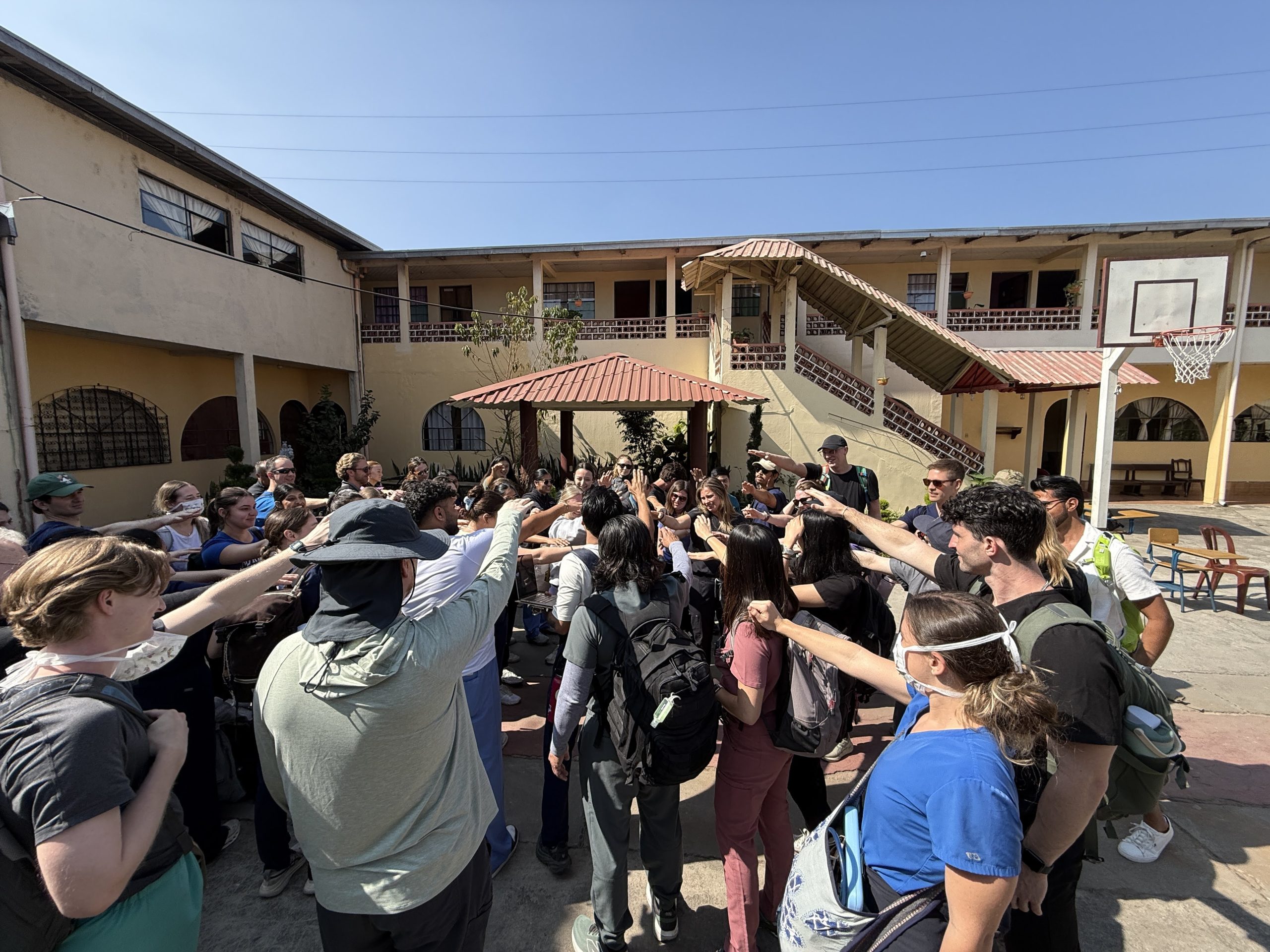
The day starts with a small team of students loading trunks of medications, supplies, and donations onto the bus we will take to the clinic that day. We have trunks allocated for each day of the clinic, so we have a fair supply of items for each village and don’t exhaust our resources in the beginning. We depart for clinic after breakfast, around 8 am. The bus ride usually takes about 1-2 hours depending on which village we are going to. Most days we go to different clinic locations, so we can maximize the villages we serve. At clinic we have stations for pharmacy, clothing donations and reading glasses, OB/GYN exams, wound care, joint injections, and lab. Patients line up to be triaged then seen by a student who performs the entire encounter, from physical exams, to lab tests and joint injections, to helping patients find the right prescription of reading glasses and securing medications. We wrap up clinic around 2 pm, pack up all our supplies onto the bus, and head back to our hotel to rest and prepare for clinic again tomorrow.
What stood out to you most about the communities you’re serving?
Guatemalan people are some of the most patient, kind, and grateful people I have met. They care about each other as if they are family, even if they do not actually know them. I felt very humbled to be able to serve these communities while being embraced by them.
Why is access to vision care especially important in medical missions like this?
Outdoor agriculture work is very prevalent in Guatemala, with countries all over Latin America importing a lot of their vegetables from Guatemala. Without proper eye protection, a lot of these laborers develop eye pathologies such as cataracts and pterygium.
Were you surprised by how much vision impacts daily life, learning, or overall health during your time there?
I was surprised by how many patients came to our clinics with vision changes as their chief complaint. In America, you seldom see patients in an outpatient clinic for complaints about vision, as there is wide access to eye exams and vision care. I realized how much I have been taking easy access vision care in America for granted, and hope KCU can further develop their vision care resources during these medical outreach trips.
Can you share a moment where providing eyewear made a noticeable difference for a patient?
At the reading glasses station provided by Zenni, patients get to try on various prescriptions to see which one works best for them. Every time they found their perfect match, you could see a light of excitement in their eyes. I truly felt we made a large impact in their quality of life by just improving the clarity of their vision.





 United States