
Your Eyes at Every Decade: A Guide to Healthy Vision Through Every Stage of Life



September is Healthy Aging Month, a reminder that taking care of ourselves is a lifelong journey. While we often think about staying active, eating well, and prioritizing our overall health, our vision deserves just as much attention.
Our eyes naturally change over time, but understanding what to expect at every stage of life can help you stay proactive and protect your vision for years to come. Whether you’re navigating busy school days, building your career, or enjoying retirement, here’s how to support healthy eyesight through every decade.
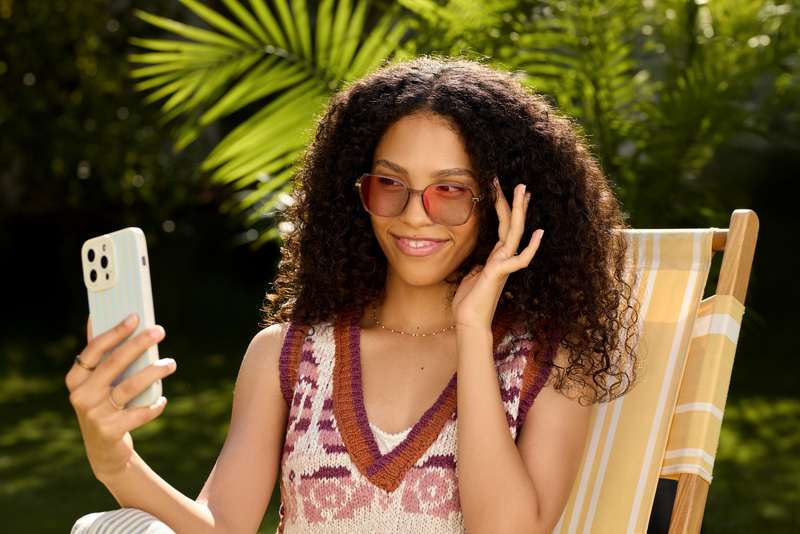
In Your 20s: Build Healthy Habits Early
Your 20s are the perfect time to establish routines that support long-term eye health. Even if your vision feels sharp, everyday habits, especially increased screen time, can impact how your eyes feel.
Focus on:
- Scheduling comprehensive eye exams, even if you don’t notice vision changes.
- Following the 20/20/20 rule to help reduce digital eye strain.
- Wearing sunglasses that block 100% of UVA and UVB rays. Whether you prefer Prescription Sunglasses, Polarized Lenses, or Transitions® lenses that adapt to changing light, protecting your eyes from UV exposure is one of the easiest ways to support long-term eye health.
- Using protective eyewear during sports, home projects, or other activities where your eyes could be at risk.
The habits you build today can help protect your vision for decades to come.
In Your 30s: Balance Busy Days with Eye Care
Between work, family, and everything in between, it’s easy for eye health to move down the priority list. Long hours on digital devices can also lead to tired, dry eyes and headaches.
During this decade:
- Keep up with routine eye exams to monitor any changes.
- Take regular breaks from screens throughout the day.
- Stay hydrated and consider using artificial tears if dry eyes become an issue.
- Eat a nutrient-rich diet that includes leafy greens, colorful fruits and vegetables, and omega-3 fatty acids to support eye health.
- If you spend much of your day working on a computer or scrolling on your phone, Blokz™ Blue Light lenses can help reduce exposure to blue light from digital devices. If your day takes you from the office to the outdoors, Transitions® lenses provide added convenience by automatically adapting to changing light conditions.
Small adjustments to your daily routine can make a meaningful difference in how your eyes feel.
In Your 40s: Expect Natural Changes
Many people begin noticing changes in their near vision during their 40s. Reading menus, books, or text messages may suddenly require holding things farther away, a common age related change called presbyopia.
This is also a good time to:
- Discuss any vision changes with your eye care professional.
- Update your prescription as needed. If you’ve been prescribed Readers, Bifocals, or Progressive lenses, wearing the right lenses can help you comfortably see at multiple distances throughout your day.
- Continue protecting your eyes from UV exposure with quality sunglasses.
- Be aware of your family’s eye health history, which can help identify potential risks.
Experiencing changes in your vision is completely normal, and routine care can help you stay ahead of them.

In Your 50s and 60s: Prioritize Preventative Care
As we age, the risk of developing eye conditions increases. Regular eye exams become even more important because many eye diseases develop gradually and may not show symptoms in their earliest stages.
Your eye care routine should include:
- Comprehensive dilated eye exams as recommended by your provider.
- Managing overall health conditions like diabetes and high blood pressure, which can impact vision.
- Staying physically active and maintaining a balanced diet.
- Reporting any sudden vision changes immediately.
- Keeping an up-to-date prescription so you can continue seeing clearly during everyday activities.
As your vision needs evolve, lens technology can make everyday life even more comfortable. EyeQLenz™ + Zenni ID Guard™ combines visual comfort with added privacy protection, helping make it more difficult for others to view your screen from the side while you work, travel, or browse on the go.
Early detection plays a key role in preserving healthy vision.
In Your 70s and Beyond: Protect Your Independence
Healthy vision supports independence, confidence, and quality of life. Whether you’re spending time with family, traveling, reading, or enjoying your favorite hobbies, seeing clearly helps you stay connected to the moments that matter.
Continue to:
- Keep up with routine eye exams.
- Ensure your prescription stays current.
- Improve lighting around your home to reduce eye strain and help prevent falls.
- Talk with your eye doctor about any changes in vision or daily activities.
- Keep a pair of everyday glasses, Progressive lenses if recommended by your eye doctor, and Prescription Sunglasses on hand so you can see comfortably wherever the day takes you.
Taking a proactive approach can help you continue doing what you love with confidence.
Vision Care Is a Lifelong Investment
No matter your age, caring for your eyes is an investment in your overall well-being. Regular eye exams, healthy daily habits, and quality eyewear all play an important role in protecting your vision throughout life.
Whether you’re looking for Blokz™ Blue Light lenses for screen time, Transitions® lenses for changing light, Readers or Progressives for evolving vision needs, or EyeQLenz™ + Zenni ID Guard™for enhanced visual comfort and privacy, Zenni offers innovative, affordable eyewear designed to help you see your best through every stage of life.
This Healthy Aging Month, take a moment to prioritize your eye health. Clear vision helps you stay connected to the people, places, and moments that matter most, today and for years to come.
→ Explore Zenni’s affordable eyewear and innovative lens technologies designed to help you see your best at every stage of life. CTA LINK

Dr. Steven Liem
Dr. Steven Liem, O.D., F.A.A.O. is an optometrist based in Pasadena, California. After obtaining his doctorate from UC Berkeley’s School of Optometry, he completed his residency in Pediatrics, Vision Therapy & Rehabilitation and became a Fellow of the American Academy of Optometry. When he isn’t busy streaming or making Youtube videos about video games, Dr. Liem aims to broaden accessibility to vision health through his involvement in optometric industry and tech.




 United States